Blog

When the Attacker Holds the Hardware: Securing a Vessel That Can Be Captured

Almost all cybersecurity assumes your computers sit somewhere safe. A vessel alone at sea can be reached, disabled and taken away — so its design has to assume exactly that...

Finding the Threats Before the Attacker Does

Listing threats to a system is the easy part. Being confident you have not missed any is the hard part — and there is a discipline for it that beats relying on memory...

Blog archive

Spoofing, Jamming and Takeover: The Threats an Autonomous Vessel Faces

Second of eight posts on securing autonomous vessels. Having established that an uncrewed ship is a target, this one gets specific: what an attacker would actually try, and why each attempt is...

The New Frontline: Why Autonomous Ships Are a Cybersecurity Challenge

MindChip builds the autonomy systems that let vessels operate with little or no crew aboard. This is the first of eight posts explaining, in plain language, what it takes to make such a vessel one you...

The Critical Role of Sensors in Maritime Autonomy

As the maritime industry steadily embraces autonomous navigation, the sophisticated network of sensors onboard plays a pivotal role in ensuring safe, efficient, and reliable vessel operations...
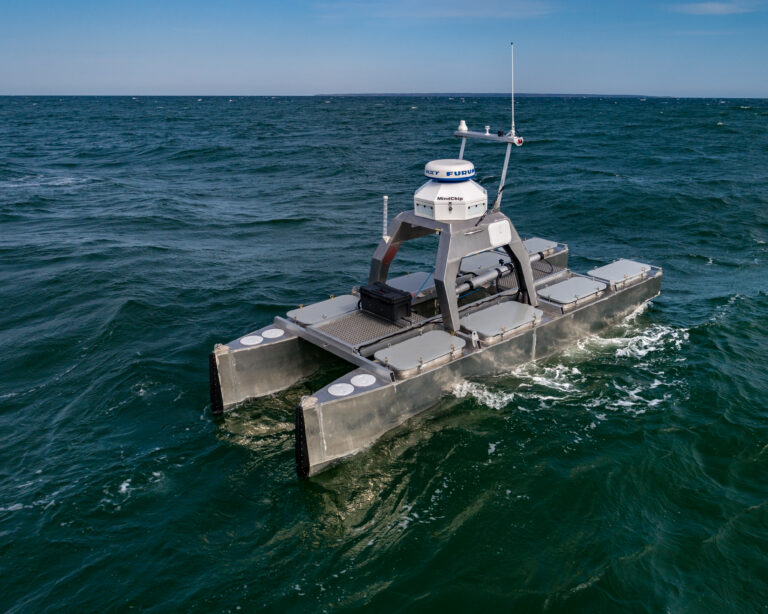
How AI is Shaping Maritime Autonomy

In a world where technological advances redefine every industry, the maritime sector is experiencing a paradigm shift. Autonomous navigation is no longer a futuristic concept...